Understanding Gypsum Plaster
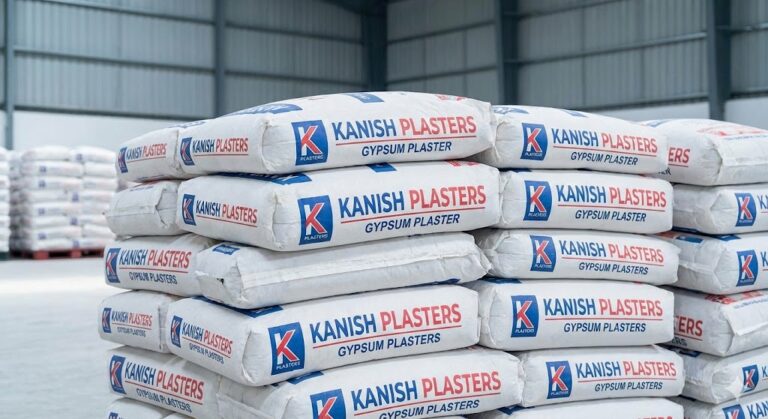
Gypsum plaster, a building material derived from the mineral gypsum, has become an essential component in modern construction practices. It is primarily composed of calcium sulfate dihydrate, which undergoes a calcination process to create a fine powder known as calcined gypsum. This versatile material stands apart from traditional plaster materials, offering unique characteristics that enhance its functionality and applicability.
One of the most notable properties of gypsum plaster is its fire resistance. It can withstand high temperatures, making it a preferred choice for enhancing the safety of structures. In addition to fire resistance, gypsum plaster possesses excellent thermal insulation properties, contributing to energy efficiency in buildings. By helping to regulate indoor temperatures, it can reduce heating and cooling costs, thus proving to be a cost-effective solution for builders and homeowners alike.
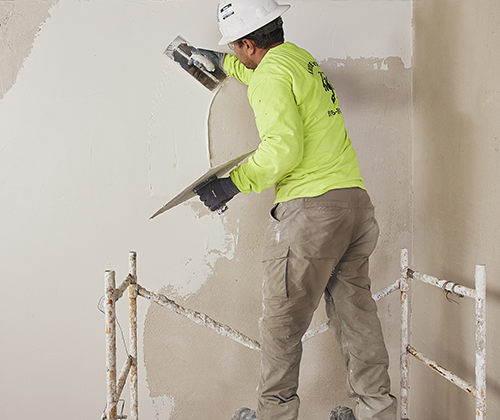
The application of gypsum plaster is relatively straightforward compared to traditional plastering methods. It can be applied directly to various surfaces, including brick, block, and concrete, with minimal preparation. This ease of application not only speeds up the construction process but also reduces labor costs, further increasing its cost-effectiveness.
In recent years, the relevance of gypsum plaster in modern construction has grown significantly. As the industry increasingly seeks sustainable materials, gypsum plaster emerges as an eco-friendly option. It is non-toxic, and its production has a lower carbon footprint than that of cement-based mortars. Moreover, gypsum products can be recycled, aligning with the growing trend towards sustainable building practices.
In summary, gypsum plaster is an innovative building solution that stands out due to its composition, functional properties, and ease of use. Its fire resistance, thermal insulation, and sustainable qualities make it not only a practical choice but also a cost-effective one in the realm of construction.
Cost Savings Through Gypsum Plaster
Gypsum plaster has gained considerable attention in the construction industry due to its impressive cost-saving benefits. When compared to traditional plastering materials, gypsum plaster often emerges as a more economical option. The primary reasons for its cost-effectiveness include lower material expenses, reduced labor costs, and minimal long-term maintenance requirements.
From a material perspective, gypsum plaster is relatively inexpensive. It is readily available and requires fewer additives, which helps keep the overall cost lower than alternative materials like cement-based plasters. Additionally, the lightweight nature of gypsum plaster allows for easier handling and transportation, further contributing to overall cost reductions.
Labor costs also see significant savings when using gypsum plaster. The application process is generally faster and more straightforward compared to traditional methods. Skilled labor can finish the plastering work efficiently, reducing the time required to complete projects. For instance, contractors have reported that gypsum plaster can be applied up to 30% faster than cement-based plasters, empowering construction teams to meet tight deadlines while staying on budget.
Long-term maintenance is another essential consideration when evaluating cost savings associated with gypsum plaster. Unlike other materials, gypsum plaster exhibits superior durability and resistance to cracking and shrinkage. This leads to lower repair costs over the lifespan of a building. Case studies show that projects utilizing gypsum plaster often experience fewer maintenance issues, resulting in significant savings over time.
Several construction projects have successfully demonstrated these financial advantages. For example, a residential development that opted for gypsum plaster during its construction phase reported a 20% decrease in overall finishing costs compared to a similar project using cement-based alternatives. This evidences the growing trend of adopting gypsum plaster for its economic benefits.
Environmental and Energy Efficiency Benefits
Gypsum plaster presents several environmental advantages, positioning it as a sustainable building material choice in the construction industry. Its production process has a lower ecological footprint compared to traditional cement-based materials, which often require high energy consumption during manufacturing. Gypsum, being a naturally occurring mineral, can be sourced with minimal environmental disruption. Additionally, its properties allow for recycling and reuse, aligning with the growing trend toward circular economy practices in construction.
One of the foremost benefits of gypsum plaster is its remarkable ability to enhance energy efficiency in buildings. This material contributes significantly to thermal insulation, which assists in maintaining stable indoor temperatures. By reducing heat loss in winter and retaining coolness in summer, gypsum plaster can effectively lower energy consumption for heating and cooling systems. This reduction translates directly into decreased utility costs, making gypsum plaster a cost-effective component in long-term building maintenance.
Moreover, gypsum plaster naturally regulates indoor humidity levels, which can have positive implications for both comfort and health within indoor environments. Its hygroscopic properties absorb moisture when humidity levels rise and release it during drier conditions. This balance can lead to improved air quality and a reduction in the likelihood of mold growth, fostering a healthier living space.
In terms of certifications, gypsum plaster often complies with various environmental standards, such as LEED (Leadership in Energy and Environmental Design) and GreenGuard certifications. These endorsements highlight its capability to contribute to sustainable building projects, further establishing its role as a favored material in eco-friendly construction practices.
Case Studies and Real-World Applications
Gypsum plaster has gained significant recognition in the construction sector due to its cost-effectiveness and versatility. Numerous case studies exemplify its successful application across various building types. One notable instance occurred in a large commercial complex in New Delhi, India, where gypsum plaster was utilized for internal wall finishes. The project not only met aesthetic demands but also proved more economical than traditional plastering materials. Contractors reported a decrease in labor costs and overall project time, which are critical factors in large-scale developments.
Another compelling case study can be observed in residential construction in the suburbs of San Francisco, California. Here, builders opted for gypsum plaster due to its lightweight nature and ease of application for interior walls and ceilings. Homeowners appreciated the sound dampening qualities of gypsum plaster, which enhanced the living experience. Feedback from builders highlighted how the finish applied with gypsum plaster required less maintenance and provided better thermal performance, thereby reducing energy costs in the long run.
A suburban school built in Melbourne, Australia, serves as another example. The architects chose gypsum plaster for both classrooms and communal areas, recognizing its environmentally friendly properties. Testimonials from the contractors underscored that the use of gypsum plaster not only accelerated the construction timeline but also allowed for a higher degree of finishes, giving the school a modern appearance without incurring significant extra costs.
In all cases, feedback from builders and developers emphasized that gypsum plaster not only met their expectations in terms of cost but also exceeded them by delivering a durable, high-quality finish that contributes to overall performance in buildings. These real-world applications illustrate the multifaceted benefits of gypsum plaster, supporting its reputation as a leading option in modern construction practices.