Contemporary Design: Evolving Interior Aesthetics
Modern interior design trends increasingly favor clean minimalist aesthetics, textured feature walls, seamless surfaces, and sophisticated finishes that gypsum plastering uniquely enables through smooth application capability and finish versatility. The interior trends in residential and commercial spaces create opportunities for plastering contractors understanding contemporary design preferences and capable of executing modern aesthetic requirements. Success in modern interiors requires awareness of design trends, capability delivering contemporary finishes, and collaboration with designers and homeowners pursuing current aesthetics that market preferences increasingly demand.
This comprehensive guide to gypsum plaster and modern design covers minimalist smooth finishes, textured accent walls, seamless integrated details, contemporary color approaches, lighting integration, and sustainable design compatibility. Whether serving design-conscious clients or developing contemporary capabilities, understanding modern aesthetic trends enables relevant service delivery meeting current market preferences through execution capability that contemporary interior design requires when aesthetic sophistication proves increasingly important market demand.
Minimalist Smooth Finishes: Clean Contemporary Surfaces
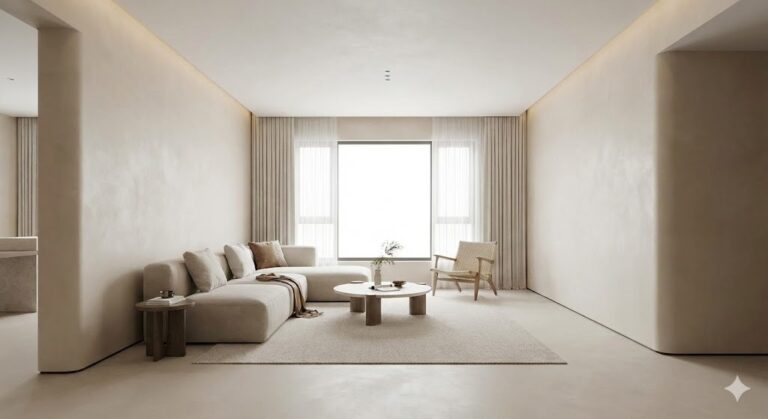
Ultra-smooth Level 5 finishes creating flawless seamless surfaces suit minimalist contemporary aesthetics emphasizing simplicity and perfection. The finish perfection requirement for modern design demanding exceptional smoothness creates quality standard. The smooth finish capability proving essential modern interior requirement makes finish quality particularly important when contemporary aesthetics tolerate no surface imperfections requiring execution excellence that casual finish quality cannot satisfy making premium smooth finishing essential capability for modern interior work.
Seamless appearance eliminating visible joints and transitions creates continuous surfaces that modern design favors. The integration discipline hiding seams, transitions, and penetrations through careful detailing creates desired seamlessness. The invisible joint achievement requiring skill and attention creates clean appearance that modern aesthetics require when exposed joints and visible transitions prove incompatible with contemporary design preferences making seamless execution essential modern interior capability.
Textured Feature Walls: Dimensional Interest
Tactile surface treatments creating three-dimensional texture provide visual interest and focal points in contemporary spaces. The texture application using specialized techniques including skip trowel, knockdown, or custom patterns creates distinctive surfaces. The textured accent wall approach proving popular modern design element creates dimension and interest that smooth surfaces throughout cannot provide when strategic texture deployment creates visual hierarchy and interest making texture capability valuable modern interior skill.
Geometric patterns and architectural relief creating structured texture through formed elements or hand-crafted patterns suit contemporary aesthetics. The pattern creation requiring precision and artistic skill produces sophisticated results. The geometric texture approach aligning with modern design sensibility creates architectural interest through pattern and shadow when structured texture proves more compatible with contemporary design than random organic textures making geometric texture capability relevant modern plastering skill.
Neutral Color Palettes: Modern Sophistication
Whites, grays, and earth tones dominating contemporary interiors require understanding undertones and achieving pure colors without discoloration. The color sophistication of modern design demanding precise neutral tones creates color awareness importance. The neutral palette execution requiring proper materials, priming, and finishing creates desired color purity when modern design’s subtle neutral palette makes color control critical unlike bold colors that forgive slight variations making neutral color achievement essential modern finishing skill.
Integral color plasters eliminating separate painting step create seamless color integration and maintenance advantages. The colored plaster capability providing finish color directly in plastering creates efficiency. The integral color approach aligning with modern preference for authentic materials and simplified layers creates architectural rather than applied color when integral pigmentation proves more sophisticated than surface painting making colored plaster capability valuable modern interior offering.
Lighting Integration: Illumination and Architecture
Cove lighting and recessed details creating indirect illumination require precise plastering around lighting features. The lighting integration demanding accurate dimensions and clean details creates execution challenge. The illumination detail quality proving critical when lighting reveals any imperfection makes detail work around lighting particularly important for modern interiors where concealed lighting proves popular requiring careful plastering creating clean reveals and proper dimensions that lighting design depends upon.
Shadow and highlight consideration understanding how lighting affects textured and smooth surfaces influences design execution. The lighting awareness recognizing that surface treatment and illumination interact creates informed approach. The light interaction consideration proving important design factor affects texture depth, color appearance, and detail visibility when lighting fundamentally changes surface perception making lighting awareness essential design execution consideration.
Sustainable Materials: Eco-Conscious Design
Natural gypsum and low-VOC formulations aligning with sustainable design principles attract environmentally conscious clients. The sustainability positioning emphasizing natural materials and indoor air quality benefits creates market appeal. The eco-friendly credentials of gypsum plastering proving valuable modern interior advantage addresses growing environmental awareness when sustainability increasingly influences material selection making environmental benefits valuable marketing and design positioning element.
Durability and longevity reducing replacement frequency contributes to sustainability through resource conservation. The long-term performance proving environmental benefit reduces waste and resource consumption. The durability consideration recognizing that lasting materials prove more sustainable than frequent replacement creates environmental value beyond just material composition when longevity contributes substantially to sustainability making durability important environmental consideration.
Open Plan Spaces: Contemporary Layouts
Large continuous surfaces in open floor plans require consistent quality across extensive areas without variation. The consistency challenge for large spaces demands systematic execution preventing subtle variations accumulating visibly. The open plan finishing proving more demanding than small rooms makes consistency capability particularly important when large continuous surfaces reveal any quality variation that smaller divided spaces mask through visual breaks making large surface consistency essential modern layout capability.
Acoustic considerations for open spaces where sound control proves important suggests textured or acoustic plaster applications. The acoustic performance providing functional benefit beyond aesthetics creates value. The sound management capability through appropriate plaster selection and application addresses open plan acoustic challenges when hard smooth surfaces in large open spaces create acoustic problems that textured or acoustic plasters help mitigate making acoustic awareness valuable modern interior consideration.
Industrial Aesthetic: Raw Refined Contrast
Deliberately imperfect finishes creating industrial character through visible trowel marks or intentional texture suit contemporary industrial-chic aesthetics. The controlled imperfection requiring skill creates desired aesthetic. The industrial finish approach proving counterintuitive requires creating apparently casual surfaces through deliberate technique when achieving right level of controlled roughness proves challenging making industrial aesthetic capability distinct skill requiring artistic judgment and controlled execution.
Material exposure and texture variety combining smooth and rough elements creates visual interest and modern layered aesthetic. The contrast approach using finish variety within spaces creates dynamic. The varied finish strategy proving popular contemporary approach creates hierarchy and interest through surface treatment diversity when finish variety proves more interesting than uniform treatment making multi-finish capability valuable modern interior skill.
Technology Integration: Smart Home Compatibility
Sensor and device accommodation planning penetrations and mounting points for modern technology enables integration. The technology awareness considering how smart home devices integrate with surfaces creates modern functionality. The device integration proving important modern consideration requires planning and execution accommodating technology mounting and wiring when modern homes’ technology density requires surface treatment coordination with numerous devices and sensors making technology awareness essential contemporary construction consideration.
Wireless charging and embedded technology creating surfaces with integrated functionality represents cutting-edge modern interior capability. The advanced integration embedding technology within architectural elements creates seamless functionality. The technology integration capability proving emerging modern interior frontier requires understanding and capability accommodating advanced installations when bleeding-edge modern interiors integrate technology seamlessly within architecture making advanced capability valuable differentiation for cutting-edge projects.
Biophilic Design: Natural Connection
Earth-tone finishes and natural textures connecting interiors with nature align with biophilic design principles. The natural aesthetic using colors and textures reflecting natural materials creates desired connection. The biophilic approach proving important contemporary design movement emphasizes natural materials and nature-inspired elements making natural aesthetic capability relevant when design increasingly emphasizes human connection with nature making natural material aesthetics valuable modern design element.
Material authenticity emphasis favoring genuine natural materials over synthetic imitations supports biophilic and sustainable design values. The authentic material preference proving modern design value favors real gypsum plaster over artificial alternatives. The authenticity emphasis recognizing that modern design values genuine materials over imitation creates advantage for traditional authentic materials when contemporary values favor real over fake making material authenticity valuable positioning.
Conclusion: Modern Aesthetics Creating Opportunity
Gypsum plastering for modern interiors requires understanding contemporary trends including minimalist smooth finishes, textured feature walls, neutral color sophistication, lighting integration, sustainable material preferences, open plan consistency, industrial aesthetics, technology accommodation, and biophilic design principles. These interior trends and modern design preferences create opportunities for contractors developing contemporary capabilities meeting current aesthetic demands. For plastering contractors pursuing design-conscious markets, understanding and executing modern interior trends represents strategic capability creating relevance and competitive advantage through contemporary aesthetic sophistication that modern interior design requires when evolving design preferences create opportunities for contractors capable of delivering sophisticated modern finishes that contemporary residential and commercial interiors increasingly demand making modern aesthetic capability valuable competitive differentiation.