
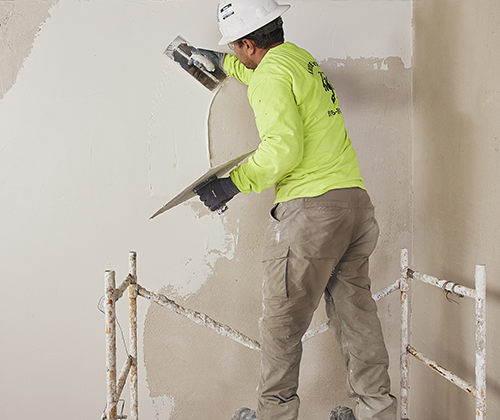
Single-Coat Systems: Efficiency Through Modern Technology
Single-coat gypsum plastering represents modern advancement simplifying traditional multi-coat processes through specialized formulations enabling complete finishing in one application. The efficiency gains from single-coat systems prove substantial through reduced labor time, faster project completion, and simplified execution while maintaining quality standards that traditional multi-coat methods achieve through multiple applications. Team training for single-coat plastering requires understanding material differences, modified application techniques, equipment requirements, and quality control adapted for single-application completion when single-coat success depends on proper execution that training must develop.
This comprehensive guide to team training and single-coat plastering covers material characteristics, surface preparation requirements, application technique modifications, equipment needs, quality verification, and common problem prevention. Whether transitioning teams from traditional methods or training new workers in single-coat systems, understanding technique differences and training requirements enables successful adoption through proper skill development that single-coat efficiency requires when material advantages prove realizable only through proper execution that systematic training creates.
Material Understanding: Single-Coat Formulation Characteristics
Specialized formulation knowledge explaining how single-coat materials differ from traditional plasters through enhanced bonding, controlled setting, and finish capabilities creates material understanding. The formulation education covering chemical composition, working properties, and performance characteristics enables appropriate handling. The material knowledge proving fundamental training component creates appreciation for why techniques differ when understanding material characteristics explains technique requirements making informed rather than rote training creating deeper understanding supporting proper execution.
Working time and pot life awareness teaching teams about material usability duration prevents waste from expired batches. The timing discipline mixing appropriate quantities for working time window creates efficiency. The batch size calculation training developing judgment about mixing quantities matching crew capacity and working time prevents waste from over-mixing creating unusable material or inefficiency from frequent small batches interrupting work when optimal batch sizing creates efficiency through appropriate quantity matching working pace.
Surface Preparation: Enhanced Requirements
Substrate cleanliness and preparation standards for single-coat proving more stringent than traditional systems require thorough training. The preparation emphasis reflecting that single-coat lacks subsequent coats hiding preparation deficiencies makes initial preparation critical. The preparation training stressing enhanced requirements creates discipline about thorough substrate preparation when single-coat success depends fundamentally on proper foundation that multi-coat systems’ multiple applications somewhat compensate for through layered corrections that single application cannot provide making preparation absolutely essential.
Priming and bonding agent application techniques ensuring proper substrate treatment create adhesion foundation. The primer application training covering coverage rates, drying times, and application methods creates capability. The priming discipline proving essential single-coat requirement makes primer application training critical component when proper priming proves non-negotiable for single-coat success unlike traditional systems where primer sometimes optional making priming knowledge and discipline essential single-coat training elements.
Application Technique: Modified Methods
Single-pass thickness control achieving specified depth in one application requires modified technique compared to multi-coat building thickness gradually. The thickness discipline achieving target depth immediately rather than incrementally requires skill development. The application training emphasizing thickness control through proper trowel angle, pressure, and motion creates capability achieving uniform specified thickness in single application that multi-coat incremental building makes less critical when single-coat requires immediate thickness accuracy that training must develop through practice and feedback.
Trowel pressure and motion adjustments for single-coat material characteristics require technique adaptation. The application method training teaching proper pressure, angle, and stroke patterns for single-coat formulations creates appropriate technique. The technique modification recognizing that single-coat materials handle differently than traditional plasters requires adapted approaches that multi-coat experience alone inadequately prepares for when material differences demand technique adjustment that training must explicitly address rather than assuming multi-coat techniques transfer directly.
Equipment and Tools: Single-Coat Requirements
Specialized mixing equipment recommendations for single-coat formulations ensuring proper consistency and avoiding material breakdown create equipment knowledge. The mixer selection training covering appropriate equipment preventing over-mixing or inadequate blending creates capability. The equipment knowledge proving important when single-coat materials require specific mixing approaches that standard equipment and techniques might not optimally handle making equipment training component addressing single-coat-specific requirements essential for proper material preparation.
Application tool selection and maintenance for single-coat work covering appropriate trowels, floats, and finishing tools creates tool knowledge. The tool training explaining why certain tools prove more suitable for single-coat work than others creates informed selection. The tool maintenance discipline ensuring clean properly maintained tools proving particularly important for single-coat creates equipment care awareness when tool condition affects finish quality that single-coat lacks subsequent passes to refine making tool quality and maintenance critical factors.
Quality Control: Single-Application Standards
Real-time quality verification during application rather than relying on subsequent coats for correction creates quality discipline. The immediate quality focus recognizing that single-coat allows no second chances requires getting application right first time. The quality training emphasizing that defects require immediate correction rather than subsequent coat repair creates execution discipline when single-coat finality makes real-time quality control essential unlike multi-coat allowing progressive refinement through multiple passes that single application does not permit.
Thickness verification using gauges or depth checks ensuring specification compliance creates measurement discipline. The verification training teaching measurement methods and frequency creates systematic checking. The thickness monitoring proving essential quality control when single-coat must achieve specified depth immediately rather than building through multiple applications makes measurement verification critical quality assurance practice that training must establish as habitual rather than occasional when thickness accuracy proves essential single-coat requirement.
Common Problems: Prevention and Correction
Sagging and slumping prevention teaching proper material consistency and application thickness prevents common single-coat problems. The problem prevention training identifying causes and prevention strategies creates problem-avoiding capability. The defect prevention emphasis proving more valuable than correction knowledge when single-coat defects prove difficult correcting makes prevention focus appropriate training priority teaching workers avoiding problems rather than just fixing them when prevention proves more efficient than correction.
Cracking and shrinkage control through proper mixing, application, and curing creates durability. The crack prevention training covering causes including improper water ratios, excessive thickness, or inadequate curing creates prevention knowledge. The shrinkage control education proving essential single-coat training addresses problems that traditional plastering multiple thinner coats makes less susceptible when single thicker application creates greater shrinkage potential requiring prevention awareness that training must create.
Hands-On Practice: Skill Development
Supervised practice sessions providing extensive hands-on work under guidance develops competency before independent work. The practice volume recognizing that skill requires repetition allocates adequate training time for multiple practice applications. The supervised practice investment proving essential skill development creates capability through doing with feedback that demonstration alone cannot achieve when physical skill requires practice developing muscle memory and technique proficiency that observation without execution cannot create.
Mock-up panels creating practice surfaces for technique development without project pressure enables learning. The practice panel approach allowing mistakes and experimentation creates safe learning environment. The mock-up training strategy using dedicated practice surfaces rather than learning on actual projects protects quality while enabling skill development when practice surfaces provide consequence-free learning opportunity that project work cannot offer making dedicated practice surfaces valuable training investment.
Performance Assessment: Competency Verification
Skill testing evaluating worker capability before project assignment ensures minimum competency. The assessment discipline preventing premature independent work protects quality. The testing approach using practical demonstration rather than just written knowledge verifies actual capability when hands-on skill assessment proves necessary competency verification that written tests alone cannot provide making practical testing essential qualification method for manual skills.
Progressive responsibility assignment starting workers on simple applications before complex challenging work creates confidence building. The gradual advancement recognizing that competency develops progressively structures work assignments appropriately. The staged responsibility proving effective development approach builds capability through appropriate challenge progression rather than overwhelming workers with complex work prematurely when graduated difficulty creates successful learning experiences.
Continuous Learning: Ongoing Development
Refresher training and technique review maintaining and updating skills prevents deterioration and addresses bad habits. The ongoing training recognizing that initial training alone insufficient when skills require maintenance through periodic refreshers. The continued development investment demonstrating commitment to excellence creates sustained capability when periodic training updates prevent skill erosion and introduce improvements that initial training alone cannot sustain over time.
New product introduction training updating teams about formulation improvements and technique modifications keeps capabilities current. The product update training addressing material evolution ensures teams understand latest formulations. The continuous learning approach treating training as ongoing rather than one-time activity creates adaptive capable workforce staying current with material and technique developments that continuous industry evolution creates.
Training Program Development: Systematic Approach
Structured curriculum development creating comprehensive organized training program ensures complete coverage. The systematic approach organizing training logically rather than ad hoc instruction creates thorough consistent training. The curriculum investment developing formal training program proves worthwhile through improved training effectiveness when organized systematic training produces better results than informal unstructured instruction creating training efficiency and effectiveness that professional curriculum development enables.
Certified trainer development creating internal training capability enables ongoing consistent training. The trainer qualification ensuring instructors have both technical competency and teaching skill creates quality training. The internal training capability through qualified trainers creates sustainable training capacity rather than external dependency making trainer development strategic investment for organizations requiring ongoing training capability.
Conclusion: Single-Coat Success Through Proper Training
Training teams for single-coat gypsum plastering requires material characteristic education, enhanced surface preparation training, modified application technique development, appropriate equipment knowledge, real-time quality control emphasis, common problem prevention, extensive hands-on practice, competency verification, continuous learning, and systematic training program development. These team training and efficiency strategies create single-coat plastering capability producing quality results through proper skill development that material advantages require for realization. For contractors adopting single-coat systems, comprehensive systematic training represents essential investment creating workforce capability that single-coat efficiency potential depends upon when material advantages prove achievable only through proper execution that training develops making workforce preparation critical success factor for single-coat system adoption delivering productivity and quality benefits through trained capable teams executing single-coat applications properly.