
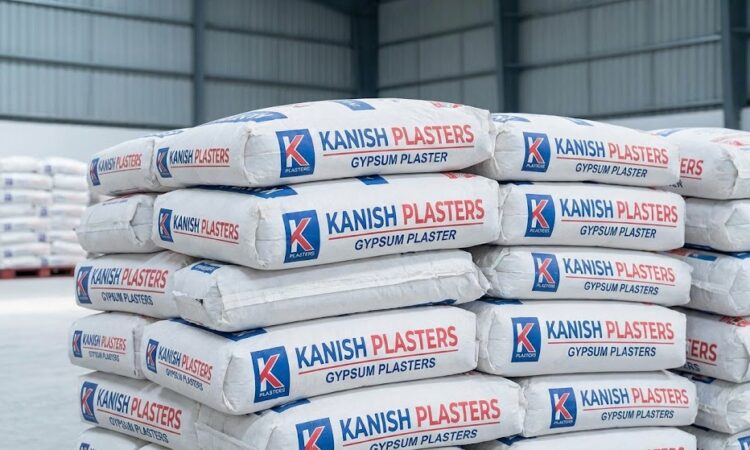
Why Quality is Non-Negotiable in the Kanish Plasters System
In the construction industry, quality is not just a nice-to-have characteristic; it is the foundation upon which reputation, customer satisfaction, profitability, and long-term success are built. For a franchise system like Kanish Plasters, quality takes on even greater significance because every franchisee’s work reflects on the entire brand. A single franchisee delivering substandard work can damage the reputation that benefits all franchisees, while consistently excellent work by all franchisees strengthens the brand and makes customer acquisition easier for everyone. This shared stake in quality control is why Kanish Plasters has developed comprehensive quality standards, training programs, inspection protocols, and support systems to ensure every project meets or exceeds customer expectations.
The Kanish Plasters quality promise is straightforward: every project will be completed using proper materials, correct techniques, and meticulous attention to detail, resulting in finishes that meet the highest industry standards. This is not aspirational language; it is a commitment backed by specific standards, training, accountability, and systems. For franchisees, understanding and embracing these quality standards is essential not just for compliance with franchise requirements but for building a successful, sustainable business. Customers increasingly recognize and reward quality, and in a competitive market, being known for exceptional work creates sustainable competitive advantage.
Understanding the Technical Standards: What Quality Means
Quality in gypsum plastering has specific, measurable characteristics. It is not subjective or ambiguous; it is defined by industry standards and Kanish Plasters specifications. Understanding these technical standards is the first step in delivering quality consistently. The comprehensive training provided to all franchisees covers these standards in detail, but ongoing reinforcement and adherence are essential for maintaining excellence.
Surface preparation is the foundation of quality plastering. No matter how skilled the application technique, poor surface preparation will result in inferior outcomes. Proper surface preparation includes ensuring surfaces are clean and free from dust, oil, or contaminants, appropriately primed or sealed, structurally sound with no loose materials, and properly prepared for adhesion. Kanish Plasters provides detailed surface preparation protocols for different substrate types, and franchisees must ensure their teams follow these procedures rigorously on every project.
Material quality and proper mixing are critical factors that directly impact finished results. Using approved gypsum plaster products from reliable suppliers, measuring and mixing according to manufacturer specifications, achieving proper consistency, adding water at correct ratios, and avoiding contamination all affect the performance and finish quality. Kanish Plasters maintains relationships with quality material suppliers and provides mixing guidelines that franchisees must follow. Cutting corners on materials or mixing procedures to save time or money invariably compromises quality and is not acceptable within the franchise system.
Application technique determines the final appearance and performance of plastered surfaces. Proper application includes maintaining appropriate thickness according to specifications, achieving uniform coverage without thin spots or excessive buildup, working systematically to avoid cold joints or visible seams, using correct tools and methods for the specific application, and achieving proper adhesion to the substrate. Kanish Plasters trains franchisees and their teams in proper application techniques, and these methods must be consistently applied on all projects.
Finish quality is what customers ultimately see and evaluate. A quality finish is smooth and uniform without visible imperfections, free from cracks, bumps, or surface defects, properly cured and dried, meeting specified smoothness standards, and ready for painting or final finishing as applicable. The standards for acceptable finish quality are clearly defined within the Kanish Plasters system, and all work must meet these standards before a project is considered complete.
Quality Control Processes: Building Quality into Every Project
Achieving consistent quality requires more than just knowing the standards; it requires systematic quality control processes built into every project. Kanish Plasters provides franchisees with quality control frameworks that prevent problems rather than just catching them after they occur. These processes become standard operating procedures that teams follow on every project regardless of size or scope.
Pre-project inspection and planning starts every project on the right foundation. Before work begins, the project site is thoroughly inspected to identify any conditions that might affect quality, confirm that surfaces are ready for plastering, identify any special requirements or challenges, and develop a specific plan for delivering quality on that particular project. This pre-project discipline prevents surprises and allows proactive problem-solving before issues impact work.
In-process quality checks during work execution catch problems early when correction is easiest and least costly. These checks include verifying proper surface preparation before plaster application begins, checking mixing procedures and material consistency during work, monitoring application technique and thickness during plastering, and assessing intermediate stages before proceeding to next steps. Team leaders are trained to perform these in-process checks, and franchisees should periodically observe work in progress to ensure quality disciplines are being maintained.
Final inspection before project completion ensures nothing leaves your control that does not meet standards. This comprehensive final check includes examining all plastered surfaces systematically, assessing finish quality against specifications, identifying any areas requiring touch-up or correction, verifying that cleanup is complete and the site is professional, and confirming that all project requirements have been met. No project should be presented to a customer as complete until this final quality inspection confirms everything meets standards.
Customer walkthrough and sign-off provides external validation of quality and creates opportunity for addressing any concerns. Walking through completed work with the customer, pointing out key quality elements, addressing any questions or concerns, and obtaining formal sign-off that the work meets their expectations completes the quality control cycle. This customer engagement also builds confidence and satisfaction, as customers appreciate being involved in the quality verification process.
Training for Quality: Building Capability Throughout Your Team
Quality standards are only as good as the people implementing them. Even the most detailed specifications and processes will not produce quality results if teams lack the training, skills, and commitment to execute them properly. Kanish Plasters recognizes this and provides extensive training resources to help franchisees build quality capability throughout their organizations.
Initial technical training for all team members ensures everyone understands quality standards and how to achieve them. This includes hands-on training in proper techniques, understanding the reasons behind specific procedures rather than just mechanically following steps, practice and feedback to develop proficiency, and assessment to confirm capability before team members work on customer projects. The investment in thorough initial training pays dividends through better first-time quality and fewer problems requiring correction.
Ongoing skill development and quality reinforcement keep standards top of mind and capabilities sharp. Regular team meetings that review quality expectations, discuss recent projects and any quality issues encountered, share best practices and techniques, and reinforce the importance of quality maintain focus on this critical priority. Periodic refresher training on specific techniques or common quality challenges addresses skill gaps and prevents complacency.
Leadership training for team leaders and supervisors ensures those responsible for quality oversight have the skills and knowledge needed. Team leaders must not only perform quality work themselves but also recognize quality issues in others’ work, provide constructive feedback and correction, hold team members accountable to standards, and communicate quality expectations effectively. Developing these quality leadership capabilities in your team leaders multiplies your effectiveness and enables consistent quality across multiple teams.
Creating a quality-focused culture where everyone takes personal pride in their work and understands that quality is everyone’s responsibility produces the best results. This culture is built through leadership example, recognition of quality work, transparent discussion when quality issues occur, empowering team members to stop work if quality is at risk, and consistently demonstrating that quality is never sacrificed for speed or convenience. Kanish Plasters emphasizes this quality culture throughout the franchise system.
Dealing with Quality Issues: Prevention and Correction
Despite best efforts, quality issues will occasionally occur. How these situations are handled determines whether they become minor incidents or major problems. Kanish Plasters provides franchisees with protocols for addressing quality issues that protect customer relationships, maintain brand reputation, and create learning opportunities to prevent recurrence.
Early identification of potential problems before they become major issues is the first line of defense. The in-process quality checks and team awareness discussed earlier enable catching problems while they are still easily correctable. Training teams to speak up when they notice potential quality concerns rather than hoping problems will not be noticed creates an environment where issues surface early rather than being hidden until customer discovery.
Immediate correction when problems are identified prevents small issues from becoming major ones. If a section of plaster is not meeting standards, correcting it immediately while the team is still on site and materials are ready is far easier and less costly than returning later for rework. Kanish Plasters emphasizes that quality issues must be corrected before work proceeds, not left to be addressed later if time permits.
Customer communication when quality concerns arise maintains trust and relationship. If a problem occurs that the customer will notice or that impacts the project, proactive communication about what happened, what is being done to correct it, and any impact on timeline or cost demonstrates professionalism and builds confidence. Customers appreciate transparency and are typically understanding when issues are addressed professionally rather than hidden or minimized.
Root cause analysis and systemic improvement prevent recurring problems. When quality issues occur, understanding why they happened rather than just fixing the immediate problem enables systemic improvement. Was training inadequate? Was the process unclear? Were materials substandard? Was time pressure causing shortcuts? Understanding root causes allows addressing the underlying issues so similar problems do not repeat. Kanish Plasters encourages this learning orientation where quality issues become opportunities for improvement.
Quality as Competitive Advantage: The Business Case for Excellence
While maintaining quality standards might seem like additional work and cost, the business reality is that quality creates significant competitive advantages and directly impacts profitability. Franchisees who embrace quality as a core operating principle consistently outperform those who view it as a burden to be minimized.
Customer satisfaction and referrals flow from quality work. Satisfied customers become repeat customers, refer others to your business, provide positive reviews and testimonials, and become advocates for your brand. The lifetime value of satisfied customers far exceeds the value of any individual project. Conversely, quality problems create dissatisfied customers who may refuse payment, require costly rework, share negative reviews, and damage your reputation. The business case for quality is overwhelming when viewed through the lens of customer lifetime value and reputation impact.
Premium pricing becomes possible when you are known for quality. Customers who prioritize quality over price will pay more for contractors with proven track records of excellence. As your reputation for quality grows, you can command rates that reflect the value you deliver. This premium pricing directly improves profitability and allows you to invest further in quality systems and capability.
Efficiency actually improves with quality focus because doing work right the first time is far faster and less costly than rework. Projects plagued by quality problems require teams to return multiple times, materials to be wasted, and time to be spent fixing problems rather than completing new projects. The teams that maintain quality standards complete projects faster and more profitably than those constantly addressing quality failures.
Brand strength and franchise quality reinforce each other in a virtuous cycle. As all Kanish Plasters franchisees maintain high quality standards, the brand reputation strengthens, making customer acquisition easier for all franchisees. This brand strength is a shared asset that grows when franchisees collectively commit to quality and diminishes when any franchisee compromises standards. Understanding this mutual dependence creates shared accountability for maintaining the quality promise.
Conclusion: Quality as Identity, Not Just Compliance
The Kanish Plasters quality standards are not bureaucratic requirements designed to constrain franchisees; they are the foundation of what makes the franchise valuable. Quality is the brand promise, the competitive advantage, the source of customer satisfaction, and ultimately the pathway to business success. For franchisees, embracing quality standards as core identity rather than viewing them as compliance obligations transforms the experience and the results. When you and your team take genuine pride in delivering exceptional work, when quality becomes something you pursue for its own sake rather than just to meet minimum requirements, your business reaches a different level. Customers sense this commitment to excellence, team members feel pride in their work, and your reputation becomes your greatest asset. The guidance, training, processes, and support provided by Kanish Plasters give you everything needed to build a quality-focused operation. Your commitment to actually implementing these standards and making quality your identity will determine whether you build an ordinary business or an extraordinary one. The choice is yours, but the pathway to excellence is clear.